








Department
Humans and Environment
At the heart of this department's work is human influence on the natural and cultural landscape of Eastern Europe. Its reaches from the transition between late Antiquity and the Middle Ages to the present day: How did the appearance of the earth’s surface change under the influence of political, social and economic factors? How did interethnic relationships and settlement structures in particular develop? How have rural and urban ways of life changed as a result of modernisation since the Middle Ages? What was the impact of confessionalisation, industrialisation and political upheaval, and what are the consequences of wars, conquests and both natural and anthropogenously shaped catastrophes?
In this department, widely different disciplines work hand in hand to investigate human influence on the environment. These explorations draw on methods, tools and approaches from archaeology, medieval history, Byzantine studies, area studies, history and linguistics as well as architectural and environmental studies. The research projects also comprise approaches from the natural sciences, such as geography and climate history.
Completed Research Themes and Projects
From the Department’s Work
Digital exhibition »Weathered History«
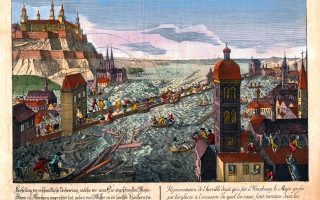
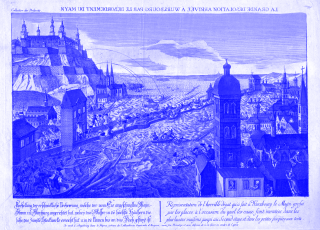
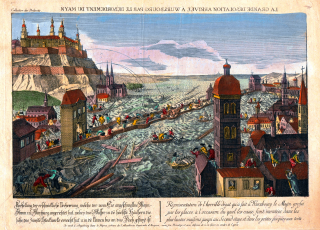
Objects as witnesses of historic climate change. The GWZO’s virtual exhibition »Die Wetterseiten der Geschichte / Weathered History« by Google Arts & Culture was curated by Diana Lucia Feitsch (GWZO) and Dr. Martin Bauch (Freigeist Junior Researchers’ Group The Dantean Anomaly (1309–1321) at the GWZO). In the first episode of the GWZO video series »Ostblick« [Eastern View], the curators offer a detailed insight into how the exhibition came to be. They explain the motivations behind its development, relate the difficulties of searching for exhibition objects and present their personal favourite pieces.
Castellum Pannonicum Pelsonense
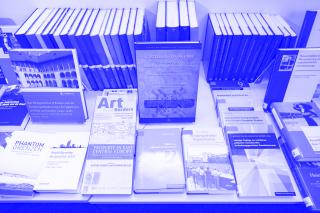
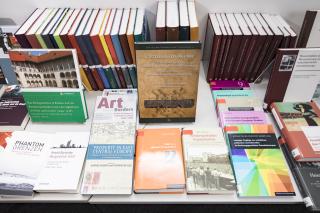
Working with partners, we are publishing a book series on interdisciplinary research in the Central Danube region.
We’re blogging...
about »The Dantean Anomaly Project: Climate History and Society in the Late Middle Ages«.
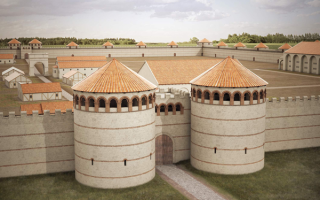
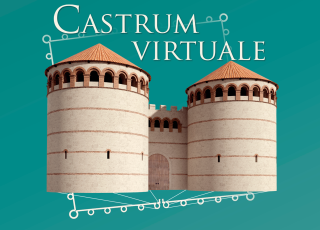
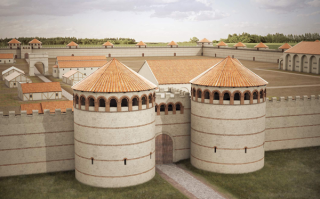
Digital exhibition »Castrum Virtuale: Time Travel to the Roman Fortress of Fenékpuszta«
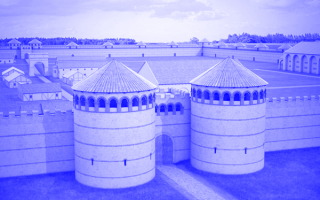
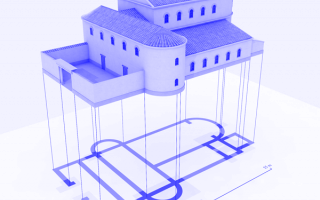
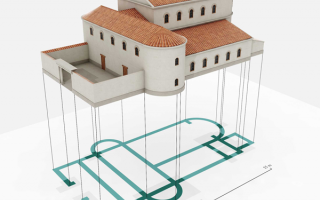
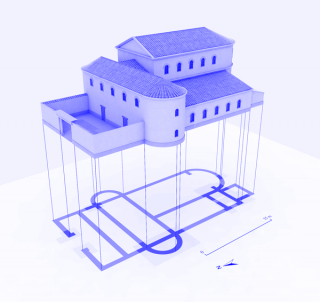
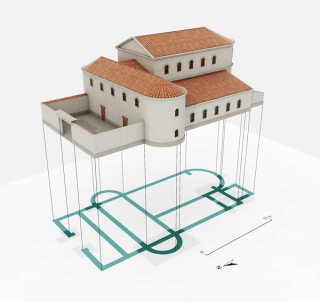
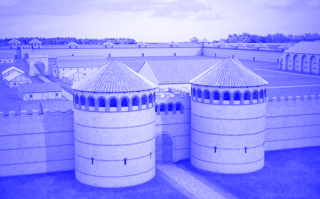
This virtual exhibition centres around a 15 ha. Roman fortress in Keszthely-Fenékpuszta in today’s Hungary, erected in the 4th century and surviving until the 7th century. Three-dimensional reconstructions of defensive and monumental structures in models, animations and films offer insights into around 300 years of local history. In addition, the exhibition risks a glance into the future: a panorama of visualisations of partial and complete reconstructions, as well as protective constructions of a planned archaeological park show ways of preserving and valorising this significant cultural monument.
Curated and academically supported by Orsolya Heinrich-Tamáska (GWZO), Roland Prien (HCCH University of Heidelberg) and D. Zsolt Vasáros (Budapest University of Technology and Economics).
Early East-Central Europe
We are publishing this book series in cooperation with the Institute for Archaeology and Ethnology of the Polish Academy of Sciences and the Institute for Archaeology of the University of Rzeszów. The volumes present a broad spectrum of historical phenomena, observable at the dawn of East-Central European history and evidenced by written, archaeological and onomastic sources.