Junior Research Groups
Promoting Junior Academics and Careers
GWZO-Junior Research Groups
The GWZO supports scientific careers at all levels – from undergraduate studies to academic leadership positions. The institute’s junior research groups (JRG), funded either through third-party grants or its own budget, play a central role in this effort. As autonomous research units within the institute, JRGs provide promising graduates with the opportunity to pursue doctoral projects within a thematically cohesive group of scholars. At the same time, they allow postdoctoral researchers to develop innovative research projects, collaborate closely on typically third-party funded research with doctoral candidates, and gain valuable initial academic leadership experience.
Junior Research Groups operate on an interdisciplinary basis and collaborate closely with the departments and working groups of the Institute, as well as the Graduate School »Global and Area Studies« at Leipzig University. Through their translocal, transregional and transnational research questions, they contribute to current methodological debates in the study of Central and Eastern Europe. Thematically, the JRGs focus on selected issues of both historical and contemporary relevance. Following earlier groups – one on the history of climate change in pre-modern times (led by Dr. Martin Bauch), and another on cultural and social change in inter-epochal comparison (led by Dr. Corinne Geering) – the current group, starting in 2025 and led by Dr. Katja Castryck-Naumann and Dr. mult. Bálint Kovács explores the intertwined history of Armenians and Armenia with the societies and states in Central and Eastern Europe. The NFG at the GWZO thus embody the institute’s trans-epochal research agenda and serve as key pillars in the career development of future leaders in both academic and public spheres.
Aktuelle Nachwuchsforschungsgruppe
Global Armenia/ns
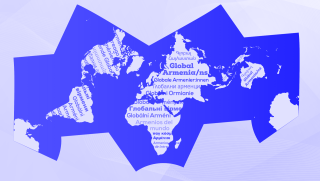
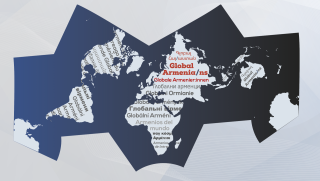
Die Nachwuchsforschungsgruppe untersucht die facettenreichen Verflechtungen der Armenier*innen mit den Gesellschaften, Kulturen und Politiken des östlichen Europa. Dabei werden Bezug-, Begegnungs- und Handlungsräume ebenso in den Blick genommen wie ihre transregionalen und internationalen Kontexte.
Die NFG wird geleitet durch Dr. Katja Castryck-Naumann und Dr. mult. Bálint Kovács. In ihr werden neben Dissertationsprojekten auch eine Reihe an Drittmittelprojekten realisiert.
Abgeschlossene NFG
The Dantean Anomaly (1309-1321)
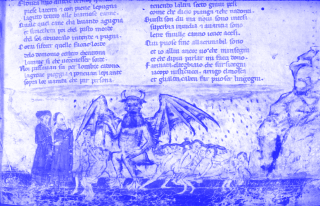
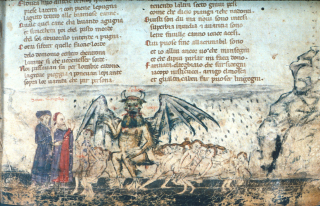
Die Freigeist-Nachwuchsforschungsgruppe untersuchte in mehreren Fallstudien die bisher wenig erforschten klimatischen Veränderungen zu Beginn des 14. Jahrhunderts in Oberitalien, Südostfrankreich und Ostmitteleuropa und deren gesellschaftliche Folgen. In der zweiten Projektphase stand die spätmittelalterliche Seuchengeschichte im Zusammenhang mit Umweltveränderungen im Fokus der Gruppe.
Geleitet wurde die NFG von Dr. Martin Bauch.
Ostmitteleuropa im Vergleich
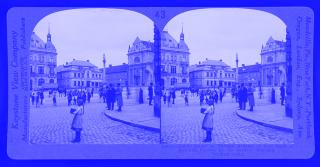
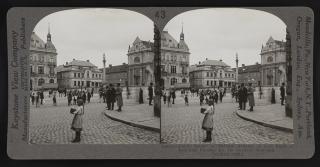
Die NFG »Ostmitteleuropa im Vergleich« untersuchte kulturellen und gesellschaftlichen Wandel im intra- und transregionalen Vergleich mit Blick auf Europa und andere Weltregionen. Die Forschungen verfolgten einen transnationalen und transregionalen Ansatz und knüpfte an gegenwärtige Diskussionen der Global und Area Studies an.
Geleitet wurde die NFG von Dr. Corinne Geering.