Topic
Women’s Politics and Postwar Reconstruction in Romania

How did women politicians and grassroots activists shape the postwar remaking of key political fields? RECKON will investigate the gendered transformation of public health, labour, foreign affairs and culture after World War II, with a focus on Romania 1944–1948.
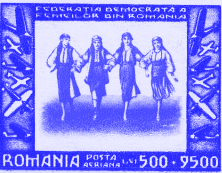
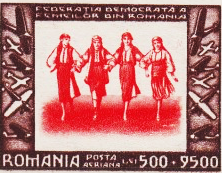
RECKON: Dealing with Change – Women’s Politics and Postwar Reconstruction in Romania Placed in Transnational Perspective, 1944–1948
How did women politicians and grassroots activists shape the postwar remaking of key political fields? RECKON will focus on the gendered transformation of public health, labour, foreign affairs, and culture in post-World War II Central and Eastern Europe, with a focus on Romania between 1944 and 1948. In Romania and across Central and Eastern Europe, the period between the end of World War II and the start of the Cold War was one of extraordinary experimentation in women’s politics, with significant effects on postwar reconstruction. The four years between Romania’s 1944 armistice with the Allies and the 1948 establishment of the People's Republic of Romania saw a first cohort of communist and left-leaning women politicians in office (including 17 MPs and two ministers in 1946–1947). It also saw tens of thousands of women mobilised for social work and political agitation. Merging approaches from gender history and transnational history, RECKON will advance understanding of the role of women and gender in the forging of new social contracts in Europe.
Current research findings are published on the associated project blog.