Topic
Conflict and Conciliation
This project delves into the history of 9th-10th century Rus' to explore how diplomatic skill and multiple conflict-resolution strategies in river-linked centres strengthened bonds among heterogeneous actors
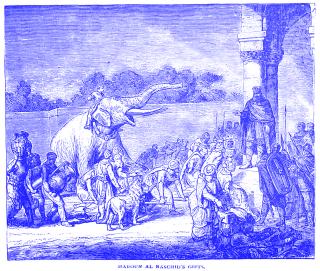
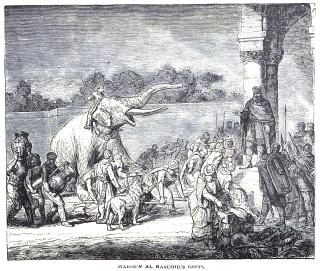
Of White Elephants and Objects of Desire: Tracing Diplomacy in Artefacts of the 10th c. AD [working title]
Conflicts represent recurring challenges to human societies, shaped by a dynamic interplay of opposing interests and their negotiation. The project explores medieval conflict dynamics, with a focus on peaceful conflict resolution and diplomatic interaction. The case study concentrates on the region of Rus', a region located between the Baltic Sea and Black Sea, in the 9th-10th centuries. Along river routes, administrative centres emerged and functioned as transit zones connecting diverse groups and cultural influences. Elements from Slavonic, Finno-Ugric, Scandinavian, Byzantine and Eurasian Steppe communities shaped a complex contact zone characterised by political, economic and social interrelations. The project aims to investigate how heterogeneous groups were integrated into the emerging political landscape of the Rus' and to examine the role of diplomatic skill and conflict resolution strategies in this process. Historical and archaeological sources are used to analyse administrative centres as spaces of political, economic and religious negotiation. This project offers new perspectives on conflict resolution and relationship dynamics in medieval Eastern Europe.