Topic
Participatory Research in Holocaust Studies
The project examines how civic involvement in the production of digital knowledge shapes and encourages research on the Holocaust.
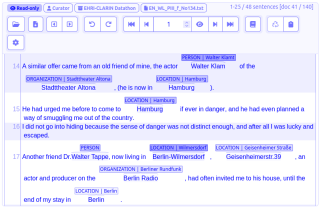
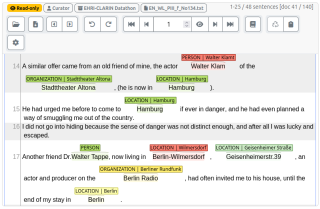
Participatory Research in Holocaust Studies: Digital Chances, Challenges and Hierarchies
The project examines and encourages public participation in Holocaust documentation and research, with a focus on data and digital approaches. The digitisation and collection of large datasets started early in Holocaust archives and research institutions due to the engagement and demand from communities of survivors and their families. Volunteers collected names and fates of Holocaust victims and information about sites of persecution and extermination. These efforts followed up on the early documentation of the Holocaust, in which communities and scientists from outside of established, state-funded institutions collected testimony and other documentation. The extent of digital documentation further reflects the fragmented, transnational and multilingual nature of Holocaust archives.
Examining participation is therefore fundamental to critical research on digital methods in Holocaust Studies. The project inquires how its communal foundations shape the corpus of digital knowledge: Does it represent a democratic approach or introduce new hierarchies? The project further encourages citizen science methods in Holocaust Studies generally and within the European Holocaust Research Infrastructure (EHRI) specifically. The project tests how citizens can help curate corpora and models, or how communities, such as genealogists, can co-produce knowledge. The project examines the effects of digital tools and methods on reading and listening to Holocaust testimony.