Subject area
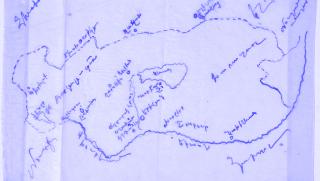
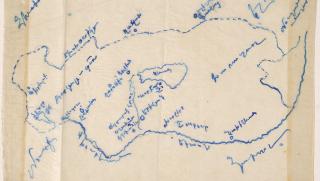
Production of Spaces
What roles did the experiences, challenges and conflicts in Eastern Europe play in shaping the lives of Armenians? What is the significance of spaces generated through perception, observation and encounter? This research strand explores these questions by examining modes of reception, mechanisms of knowledge transfer and the development of cross-border networks. In comparative analyses, we also examine key political debates revolving around issues such as the environmental use, degradation and protection. Such processes of negotiation not only shape societies within the Caucasus, but also influence broader dynamics across Central and Eastern Europe and beyond – ultimately fostering diverse connections and shared spaces of interaction. Drawing on Armenian travelogues, trade books and other early modern documents, we also investigate how Central and Eastern Europe was perceived and imagined from the vantage point of the Caucasus. This approach constitutes an exciting shift in perspective, allowing for a reinterpretation of the region through a new lens.