Topic
Black Performers in Romania, 1910 to 1940

Drawing on visual culture and performance studies, this research investigates the reception of jazz and related forms of entertainment in interbellum Romania, and how the cultural, social and political climate in the region were shaped by, and responded to, the presence of Black performers.
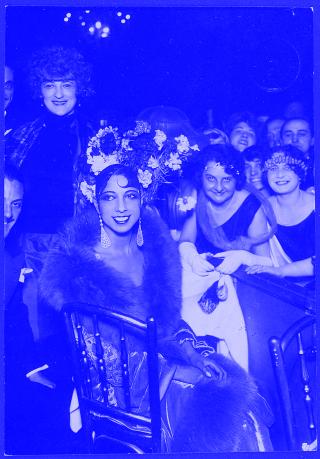
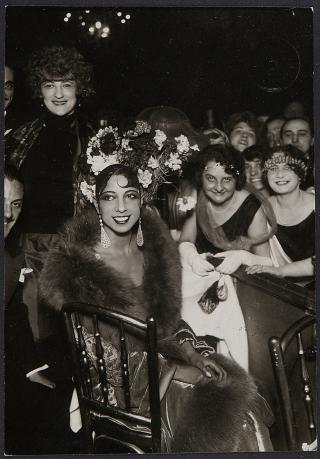
Another Jazz Age: Black Performers in Romania, 1910 to 1940
The research examines the trajectories and reception of African American performers in Romania, and in the broader regional context of Eastern Europe, from the period of the First World War to the start of the Second World War. As Black cultural expression gained popularity during this period, entertainers increasingly took the opportunity to tour and sometimes settle in the region, impacting artistic life, popular culture, social and political discourse, and even legislation. The project asks how the cultures of modernity in Romania were shaped by, and responded to, the presence of these performers.
Through this lens, the project considers issues of race and racialisation in the region, the condition of minority groups during geopolitical upheavals, and the transregional circulation of modern cultural forms such as jazz. The project’s theoretical framework brings art history into conversation with performance studies and studies around race, colonialism, and popular culture from the disciplines of history and anthropology. The aim is to draw on these interconnecting fields to devise a framework that can work more broadly when examining the interactions between Black artistic practitioners and the wider cultural landscape of Romania and the East European region.