Topic
Queer Activism in Poland
This historical study examines how queer activists in Poland have networked and organised since the 1980s. Drawing on extensive source material, it analyses their different political strategies and the role of transnational networks.
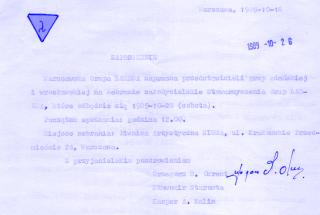
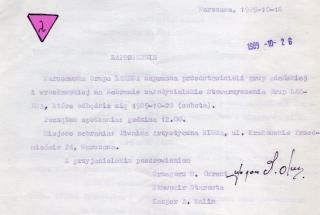
Queer Activism in Poland: Transnational Networks and Polish Self-Positioning since the 1980s
Queer activism is not a phenomenon that only emerged in Poland after the country joined the EU in 2004. In cities such as Warsaw, Gdańsk and Wrocław, the first gay and lesbian structures had already existed since the 1980s, often unofficially or as part of subcultures. At that time, activists developed a variety of ways to organise themselves under state socialism with the help of transnational networks such as the Eastern Europe Information Pool project, which was largely run by the Homosexual Initiative Vienna. This transnational cooperation remained important even after the political upheavals of 1989/90.
Using archival material, (underground) magazines and interviews with contemporary witnesses, the study analyses not only the emergence and development of queer groups in Poland but also the negotiation and politicisation processes of Polish activists in this founding phase. These by no means formed a homogeneous group, but developed different strategies to achieve their goals. The analysis of the queer magazines Filo, Inaczej and Replika demonstrates the activists' search for self-positioning in a Europe that was reforming after the end of the bloc confrontation and in a transforming Polish society.