Topic
Emotions and Politics in the Life of Konstantin Pobedonostsev

Emotions are a constitutive part of political communication. Using Konstantin Pobedonostsev as a case study, the project examines their role in political decisions and practices in the Russian Empire in the era after the Great Reforms.
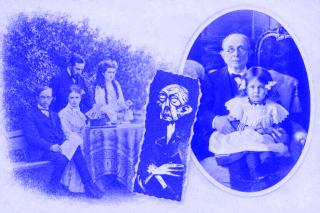
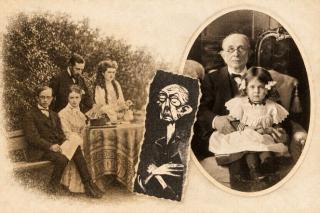
Emotions and Politics in the Russian Empire: Konstantin Pobedonostsev’s Role in the Era after the Great Reforms
How are emotions and political power connected? This project explores this question by examining the life of Konstantin Pobedonostsev (1827–1907). As tutor to two tsars and long-serving Chief Procurator of the Holy Synod, he shaped politics in the Russian Empire after the Great Reforms. It examines how emotions operated in his political thought, relationships and decisions. Topics include his role in the 1881 Manifesto on Unshakable Autocracy, his views on the judiciary, the press and education, and his resignation during the revolution of 1905. Letters, diaries, legal writings and contemporaries’ memoirs form the source base. Particular attention is paid to Pobedonostsev’s personal networks, including exchanges with women at court and in social circles. The project also explores how notions of masculinity and femininity shaped emotional expression and opportunities for political influence. Combining the history of emotions, political history and gender history, it asks how personal experiences and relationships were connected to visions of political order and action within the autocracy.