Topic
Armenian Children in Orphanages in Europe
After the Armenian genocide in 1915/16, around 40,000 children were left orphaned. Caring for these often traumatised, forcibly Turkified children became a particular challenge for humanitarian actors and also had repercussions in large parts of Europe.
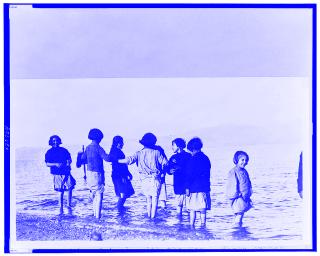
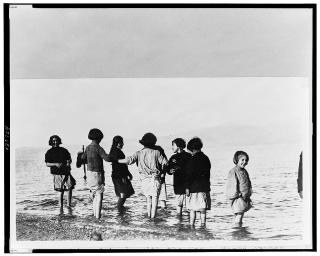
Orphanages for Armenian Children in Europe After the First World War
The Armenian genocide of 1915/16 left approximately 40,000 children orphaned. After the war, the Armenian Patriarchate, the British occupying forces in Istanbul, humanitarian aid workers and volunteers endeavoured to find the abducted children. With the gradual advance of the Kemalists, these humanitarian efforts came under pressure. The children had to be evacuated; many of them found refuge in orphanages that were set up in Greece, Bulgaria, Romania, Italy, France and Switzerland in the 1920s, some of which remained open until the 1930s. Others were sheltered in already existing orphanages of the Armenian communities of Galicia and Transylvania. While orphanages for Armenian children in the southern Caucasus, in the territories that became the Soviet Union and in the successor states of the Ottoman Empire have already been analysed, a transregional study of orphanages in Europe is lacking. The project focuses on the actors involved in the establishment of the orphanages and their transregional networks, and on the children's perspectives and their perception of their Armenian identity.