Topic
Explorations of the Environmental History of Armenia (1960s–2010s)
Metsamor Nuclear Power Plant, Armenia’s sole nuclear facility, sparked concerns over safety and environmental risks resulting in activism. This study explores this plant’s role in the context of wider post-Soviet environmental movements by comparing local efforts to other Eastern European anti-nuclear campaigns.
Environmental Activism and Nuclear Safety: A Study of Armenia’s Metsamor Nuclear Power Plant, 1960s–2010s
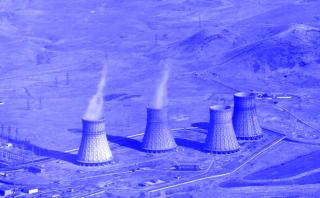
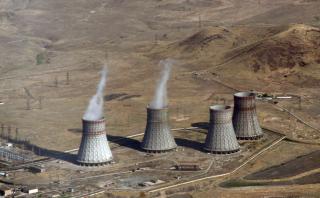
The Metsamor nuclear power plant, located 36 km west of Yerevan, is the only nuclear facility in the South Caucasus. It has been in operation since 1976 and generates currently about 40% of Armenia's electricity. The lack of a secondary containment vessel and the reactor's location in an earthquake-prone region have led to ongoing safety and environmental concerns, making it a focal point for activism and political debate. This project examines environmental activism around Metsamor in the late Soviet and post-Soviet era in its transnational contexts. Armenia's geopolitical situation, especially its dependence on Russia for nuclear technology and fuel, significantly influenced Metsamor-related environmental activism. Regional tensions with Azerbaijan and Turkey, as well as the fact that Armenia is a landlocked country, further impacted energy policy and debates on Metsamor which centered on political sovereignty, nuclear safety and environment protection. The project investigates how these factors have influenced the effectiveness and long-term effects of environmental activism compared to other post-Soviet states. Similar dynamics appeared in Lithuania, where protests against the Ignalina nuclear plant were closely tied to aspirations for independence, and in Ukraine, where the legacy of the Chernobyl disaster caused mass mobilization around questions of safety, sovereignty, and ecological risk. Overall, this study analyses the relationship between nuclear policy, environmental activism and geopolitics and offers new insights into the post-Soviet environmental movements. By examining these dynamics, the study contributes to the historiography of environmental activism in post-Soviet states in its international context.