Topic
Energy Policy in Czechia and Slovakia

This project examines the processes of energy transformation in Czechia and Slovakia from the 1960s to 2004. It focuses on the trade-offs between energy security, economic competitiveness, and environmental objectives.
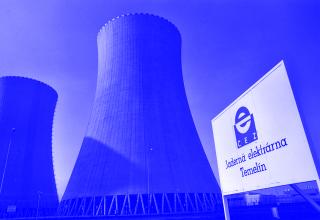
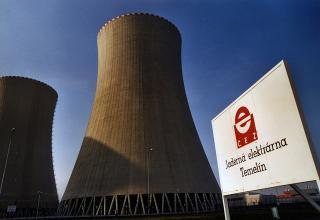
Between Economy, Energy Security and Ecology: Energy Policy Transformations in the Czech Republic and Slovakia from the 1960s to 2004
Ensuring a secure and economically viable energy supply is a key prerequisite for the functioning of modern economies. At the same time, fossil fuels have caused severe ecological damage – recognized primarily in the 1970s and 1980s in connection with (regional) air pollution and, since the 1990s, increasingly due to their contribution to global climate change.
In the interplay between security of supply, economic competitiveness and environmental protection, this project examines the development of energy policy in Czechia and Slovakia from the 1960s to their accession to the European Union in 2004. The analysis focuses on the objectives, trajectories, outcomes and interactions of three partly overlapping transformation processes: the responses of communist Czechoslovakia to the oil price crises of the 1970s; the changes accompanying the political and economic upheavals after 1989; and the energy policy adjustments during the EU accession negotiations.
The project investigates the extent to which these processes were structurally interconnected and analyzes continuities and discontinuities within the networks of actors that shaped energy policy – and continued to exert influence beyond the watershed moment of 1989.